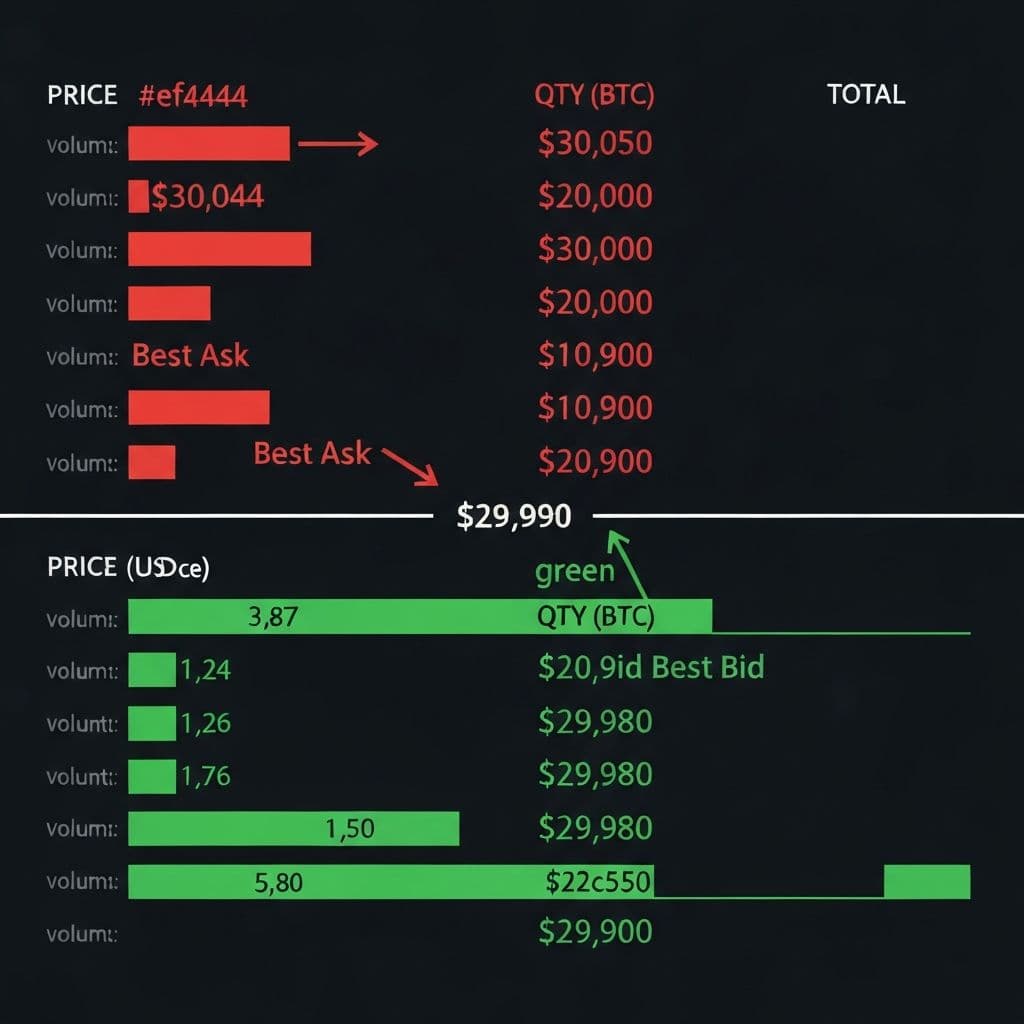
Microstructure is the hidden tax and hidden edge of algorithmic trading. If you do not model spread, queue position, and liquidity shifts, your strategy assumptions are usually wrong.
Three Mechanics to Model First
QuantumEdge
Explore these ideas in live bot templates
See how this setup translates into production-ready workflows.
Browse QuantumEdge bot templates- Spread behavior during calm periods vs volatility shocks.
- Maker and taker fee impact by venue and account tier.
- Order book depth around top-of-book for your target size.
From Theory to Bot Rules
- Skip entries when effective spread exceeds expected edge.
- Use limit orders when queue dynamics are favorable.
- Switch to market orders when fill certainty outweighs fee cost.
- Throttle sizing in low-liquidity sessions.
A simple strategy with accurate execution assumptions can outperform a complex strategy with poor microstructure awareness.